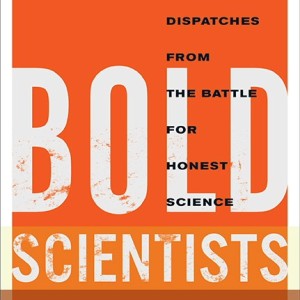
For a good dose of sanity on GMOs, hunger, and post-oil farming, check out Ann Clark, plant physiologist and farmer, in Bold Scientists. Read an excerpt here.
The Monsanto and Dow corporations, both chemical behemoths, nearly always get their way, by a variety of means and with disastrous consequences on almost every continent. But in El Salvador, the smallest and most densely populated country in Central America:
“The farmers, who have already been consistently outperforming Monsanto with their local seed, which is far healthier and more productive, have just managed to bring about a giant defeat of Monsanto by preventing it from supplying El Salvador with its seeds.”
In Independent Science News, January 12, Jonathan Latham sets out a stark bottom line for the survival of multi-cellular organisms – eg human beings – on this planet.
Latham: “The project to fully industrialise global food production is far from complete, yet already it is responsible for most deforestation, most marine pollution, most coral reef destruction, much of greenhouse gas emissions, most habitat loss, most of the degradation of streams and rivers, most food insecurity, most immigration, most water depletion, massive human health problems, and so on. Therefore, it is not an exaggeration to say that if the industrialisation of food is not reversed our planet will be made unlivable for multi-cellular organisms.”
So then, a matter of life and death. Jonathan Latham offers a recipe for survival. It’s worth a try.
For a taste of how to feed the world on a human scale, visit with Ann Clark, plant physiologist and farmer, in Bold Scientists, chapter 2, Digging thistles. Read an excerpt here.




 Michael Riordon